
Rethinking Municipal Auctions for Used School Buses and Fleet Vehicles
__primary.jpg?v=1786660393)
When a school district or public works department retires a vehicle, the goal is simple: get fair value, move it out quickly, and show taxpayers it was handled the right way. That sounds straightforward, but for many municipalities, used school buses and fleet vehicles end up sitting in back lots, waiting on slow, old-style sale methods that drain time and money.
This article looks at why traditional auctions often underperform, how online auctions fit real municipal schedules, and what it takes to turn surplus vehicles into clear wins. We will focus especially on used school buses, since they follow a predictable cycle, and show how a modern, data-rich process can support budgets, policies, and public trust.
Court-Ordered Auctions in Business Litigation: How Receiverships Work

Court-ordered auctions in business cases can feel confusing and stressful. Assets are on the line, tempers may be high, and everyone wants to know what will happen next. When a receiver is appointed and a court-ordered sale is on the table, clear steps and steady planning can protect the value of a company instead of letting it slowly fall apart.
In this article, we explain how receiverships work, what court-ordered auctions really are, and what owners should and should not do along the way. We will also talk about timing, late-summer planning, and how professional auction and appraisal teams help judges, receivers, lenders, and owners get better results in a tough moment.
Challenge a Pre-Auction Valuation Online: Comps, Adjustments, Proof

A pre-auction property valuation sets the stage for almost everything that follows. It shapes your reserve price, your opening bid, how buyers see your listing, and what you are likely to walk away with at the end. If the number is off, even by a bit, you can lose bidder interest, sit longer than you should, or leave money on the table.
Online auctions lean on numbers that can be defended. Reserves and opening bids are usually tied to written valuation reports, broker opinions, and internal review by the auction team. The good news is that you are not stuck with the first number you see. With the right online research and documentation, you can make a strong case to adjust that valuation and, in many cases, move the reserve.
In this guide, we walk through clear steps to gather better comps, show real condition and upgrades, and package your argument in a way that professionals will actually take seriously.
How Online Real Estate Auctions Work for Commercial Sellers

Selling commercial real estate can feel slow and uncertain. An online real estate auction gives sellers a clear date, a clear process, and a clear path to closing. Instead of waiting for offers to trickle in, you set up a focused event where qualified buyers compete for your property in real time.
In a commercial real estate auction, buyers bid on the property through a real estate auction platform for commercial properties, rather than working through long back-and-forth negotiations. The terms are set up front, the timeline is short, and everyone can see the bidding as it happens. For government, corporate, and private sellers, this is a direct way to reach a wide pool of investors without being tied to just one local market.
At Online Pros, we specialize in online real estate auctions and asset auctions for sellers across the country. We focus on giving commercial owners a clear, organized process from first review to final closing, so they are not guessing what happens next.
Evaluating Commercial Real Estate Auctions Against Private Sales
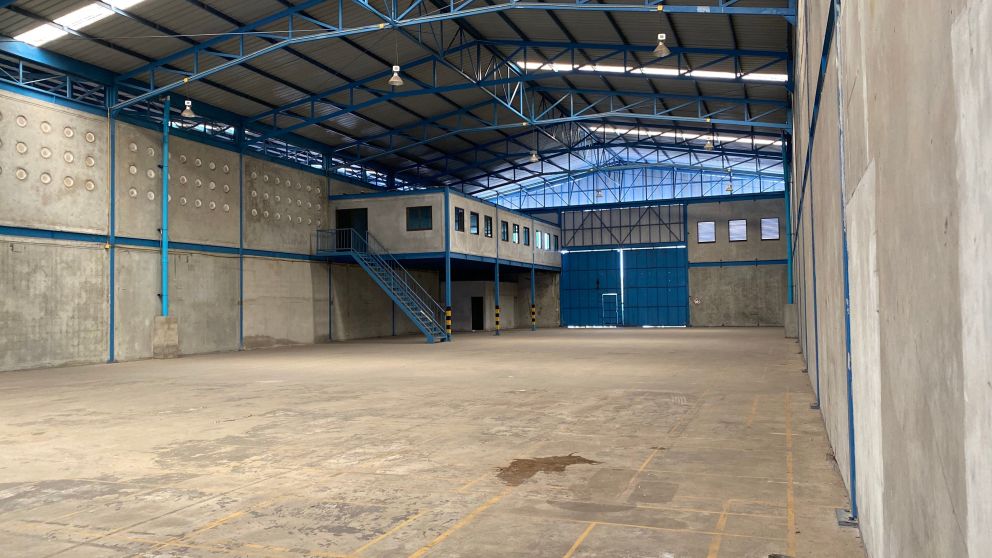
Selling commercial real estate is rarely simple. When interest rates are higher and credit is tight, buyers move slower, lenders ask more questions, and deals can drag on. At the same time, changing workplace habits and new space needs are reshaping what buyers want from office, industrial, and mixed-use properties.
Timing plays a big role too. Many owners look to sell assets in summer and early fall, as companies, municipalities, and institutions line up budgets and capital plans. Buyers are active, but they also expect clear pricing, clean due diligence, and firm timelines. That is where the choice between auction and private sale really matters.
If you need liquidity, clarity, and a process you can explain to stakeholders, it makes sense to ask: How do commercial real estate auctions stack up against traditional private listings? At Online Pros, we focus on that exact question every day, helping sellers match their exit strategy to the real market they are facing, not just the one they wish they had.
Securing Commercial Real Estate at Auction Before Bidding Closes

Securing the right commercial real estate is often about timing. When a strong property hits the auction block, prepared buyers have a short window to act before someone else locks it in. Online auctions make that window very clear, with a visible countdown that shows exactly how much time is left.
For our upcoming Online Pros Commercial Real Estate Auction that is closing on July 7, serious buyers still have time to move. The clock is ticking, but that deadline creates both urgency and opportunity. When you know how the process works and you are ready to act, you can make clear decisions while others are still hesitating.
In this auction, some properties may sell at below typical market prices, with transparent terms and compliant valuations that give buyers more confidence. You can see the same information that other bidders see and respond in real time. If you are an investor or business owner looking for your next location, this is your chance to move before bidding closes and the opportunity is gone.
How to Find Hidden Value in Online Municipal Auctions

Online municipal auctions give buyers access to the extra stuff that cities, counties, school districts, and other public agencies no longer need. These are real auctions, just hosted online, where public sellers move surplus property to free up space and budget. When you know how they work, they can become a steady source of value for your business or personal projects.
The “hidden value” comes from a few simple facts. Many buyers focus on big-name marketplaces and ignore municipal auctions. Public sellers are usually more focused on clearing space than on squeezing out every last dollar. On top of that, the mix of assets is wide, which means there are often fewer bidders in each niche.
At Online Pros, we work in online auctions and appraisals from right here in Texas, and we see these hidden chances every day. Online Pros helps buyers uncover value in municipal auctions across Texas and beyond by bringing structure, clear information, and a fair process to the table.