
Exploring Heavy Equipment and Vehicle Auctions With Online Pros
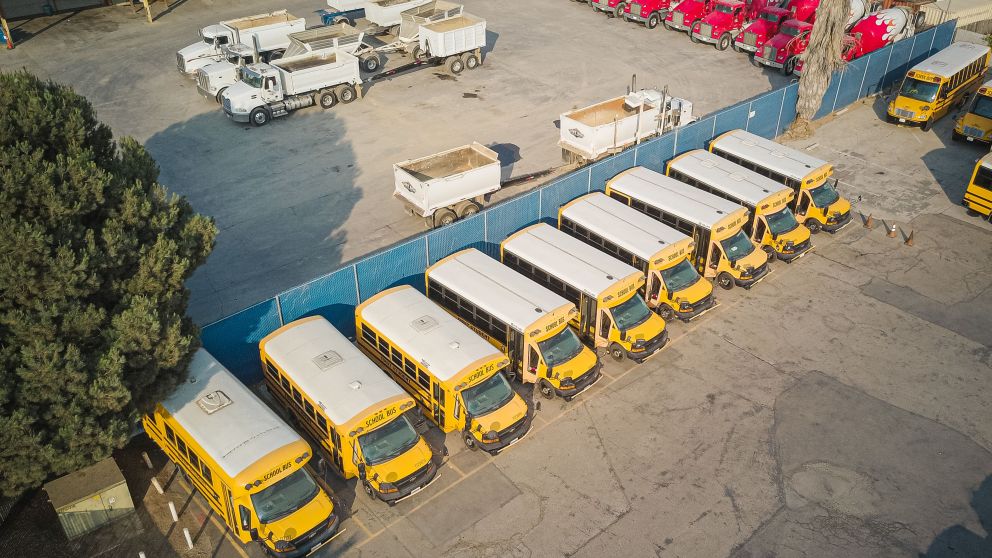
Discover Opportunities in Heavy Equipment and Vehicle Auctions
Buying heavy equipment, work trucks, trailers, and related vehicles through an online auction can open the door to serious savings and a wider selection than most local dealers can offer. Commercial buyers, contractors, fleet managers, and owner-operators can all find strong value when they know how to assess the listings, understand condition reports, and plan a clear bidding strategy.
Online Pros hosts time-limited online auctions that bring together construction equipment, trucks, trailers, and support vehicles in one place. By moving these assets through a transparent bidding platform, buyers gain access to equipment that is ready to go to work on job sites, farms, and industrial projects. Below, we will walk through what you can expect from a typical heavy equipment and vehicle auction, how bidding works, and what to watch for so you can move forward with confidence.
Prime Categories You Will See in Equipment and Vehicle Auctions
The core focus of a heavy equipment and vehicle auction is work-ready assets tied to construction, transportation, agriculture, and industrial operations. These items often come from companies updating their fleets, contractors finishing major projects, or organizations reorganizing their capital equipment.
Common categories include:
• Heavy construction vehicles and service trucks
• Pickups and work vans for daily operations
• Flatbed, utility, and enclosed trailers
• Skid steers, loaders, and compact equipment
• Agriculture and land management equipment
• Support gear like generators or site equipment
Having all of these categories presented together in one auction allows buyers to shop for multiple needs at once. A contractor might secure a service truck, a trailer, and a piece of compact equipment in a single bidding window, instead of spending weeks tracking down separate deals.
This range of assets supports many real-world use cases, such as:
• Small and mid-sized contractors growing their fleets
• Municipal or utility departments adding backup vehicles
• Farm and ranch operations looking for cost-effective equipment
• Owner-operators replacing aging trucks or trailers
• Businesses wanting to add specialized vehicles without paying new-equipment prices
These auctions are designed for practical buyers who want working assets, clear information, and a structured transaction process.
Inside a Typical Heavy Equipment and Vehicle Lineup
The exact mix of items in each auction will vary, but many follow a similar pattern that covers both day-to-day work vehicles and heavier-duty units. For example, a construction-focused auction might feature:
• Service trucks and pickups with tool storage and racks
• Medium-duty trucks suitable for regional hauling or job-site support
• Flatbed trailers for moving materials and equipment
• Equipment trailers for hauling skid steers, compact tractors, or small machinery
• Select pieces of heavy machinery or specialized gear
The trucks and work vehicles are often set up for practical, job-site use. Buyers may find:
• Utility bodies with integrated storage, ladder racks, and work lighting
• Diesel trucks geared for towing and hauling
• 4x4 vehicles suitable for off-road or rough terrain access
• Enclosed vans for trades that require secure, weather-protected storage
Trailers are another key category, providing the flexibility to move tools, materials, and machines efficiently. This can include:
• Tandem-axle equipment trailers
• Flatbeds suited for lumber, steel, or palletized loads
• Enclosed cargo trailers for tools and small equipment
Together, these assets form a working toolkit. Contractors and businesses can assemble the combination of vehicles and trailers they need to support current jobs and prepare for future growth, with the added benefit of auction pricing and a defined sale timeline.
Why Heavy Equipment and Vehicle Auctions Stand Out
For many businesses, the biggest appeal of these auctions is the chance to acquire working assets at competitive prices while keeping the process straightforward. Auctions remove some of the back-and-forth negotiation often found in private sales and instead rely on open, time-bound bidding.
Key advantages include:
• Access to a wide range of equipment and vehicles in one event
• Clear start and end times for bidding, so planning is easier
• Market-driven pricing based on real-time bidder interest
• Detailed photos and descriptions to support your evaluation
• An organized platform that handles registration, bidding, and closing
The structure of an auction can also support better decision-making. Buyers can compare similar items side by side, track current bids, and watch how interest develops over the bidding window. This can help you:
• Decide where to focus your budget
• Identify under-the-radar items that fit your needs
• Avoid overextending on a single lot by knowing your limits in advance
For businesses managing tight schedules and margins, this clarity can be just as important as the potential cost savings.
What to Review Before Bidding ON Equipment and Vehicles
Careful review before bidding is essential, especially when the assets will be put into daily service. Online Pros provides information to help you make an informed decision, but buyers should take an active role in their own due diligence.
Key items to review include:
• Photos of the exterior, interior, and any visible wear
• Descriptions of mileage, hours, and known conditions
• Any available maintenance or service records
• Notes on recent repairs, upgrades, or modifications
• Tire condition and signs of rust, leaks, or structural damage
If on-site inspections or previews are available, serious buyers should take advantage of them. Seeing a vehicle or piece of equipment in person adds another layer of confidence, especially for higher-value assets. During an inspection, consider:
• Checking fluid levels and looking for leaks or unusual wear
• Reviewing tire tread depth and overall tire age
• Looking for signs of frame damage, modifications, or patch repairs
• Confirming that doors, hoods, and compartments open and close correctly
• Inspecting interiors for seat wear, instrument panel condition, and cleanliness
These steps help you understand what kind of immediate work, if any, might be required after purchase, which in turn helps you set a realistic top bid.
Seasonal and Project-Based Buying Opportunities
Heavy equipment and vehicle needs often follow project cycles and seasons. Auctions can be especially useful for buyers who want to align acquisitions with upcoming work without committing to long lead times or full sticker prices on new units.
Common timing patterns include:
• Construction season ramp-ups, when extra trucks or trailers are needed
• Agricultural planting and harvest windows that call for support equipment
• Year-end budget use, when organizations deploy remaining funds on capital purchases
• New contract awards that require rapid fleet expansion
By watching upcoming auctions and planning ahead, buyers can match their acquisition timing to project demands. This can help:
• Avoid rental costs for extended periods
• Reduce downtime from equipment shortages
• Add backup units for critical paths in a project schedule
• Take advantage of budget cycles without overbuying
Businesses that track their project pipeline alongside the auction calendar can often make more deliberate, cost-effective decisions about what to buy and when to buy it.
Online Auction Details and How Bidding Works
Heavy equipment and vehicle auctions at Online Pros follow a structured online format designed for clarity and ease of use. Each event has a defined start and end time, a set of listed lots, and clear bidding rules.
The general process works like this:
• Browse the auction catalog to see all available lots
• Review detailed photos, descriptions, and any attached documents
• Register as a bidder and complete any required approvals
• Place bids during the open window, either manually or with a maximum bid
• Watch the final countdown as closing time approaches, with bids updating in real time
Many buyers choose to set a maximum bid on key lots, allowing the system to increase their bid automatically up to their limit as competing bids come in. This helps you stay engaged in multiple lots at once without having to watch the screen nonstop.
To prepare, smart buyers usually:
• Confirm how buyer’s premiums, taxes, and fees will apply
• Review payment terms and pickup or shipping instructions
• Decide in advance on their top bid for each item, based on condition and market value
• Register early to avoid last-minute issues with bidding access
The combination of clear rules, transparent bidding, and a fixed closing time creates a level playing field. Everyone can see the same information and respond in real time, which supports confident decision-making.
Secure Your Next Work-Ready Asset with Confidence
Heavy equipment and vehicle auctions make it possible to expand or refresh your fleet on a schedule that matches your business needs. In a single event, you can evaluate multiple trucks, trailers, and pieces of equipment, compare options side by side, and bid on the assets that best fit your budget and workload.
Start by browsing current Online Pros auctions, reviewing lot details, and registering to bid ahead of time. If you have questions about specific equipment, auction terms, or the bidding process, contact us so you can move from evaluation to purchase with confidence.